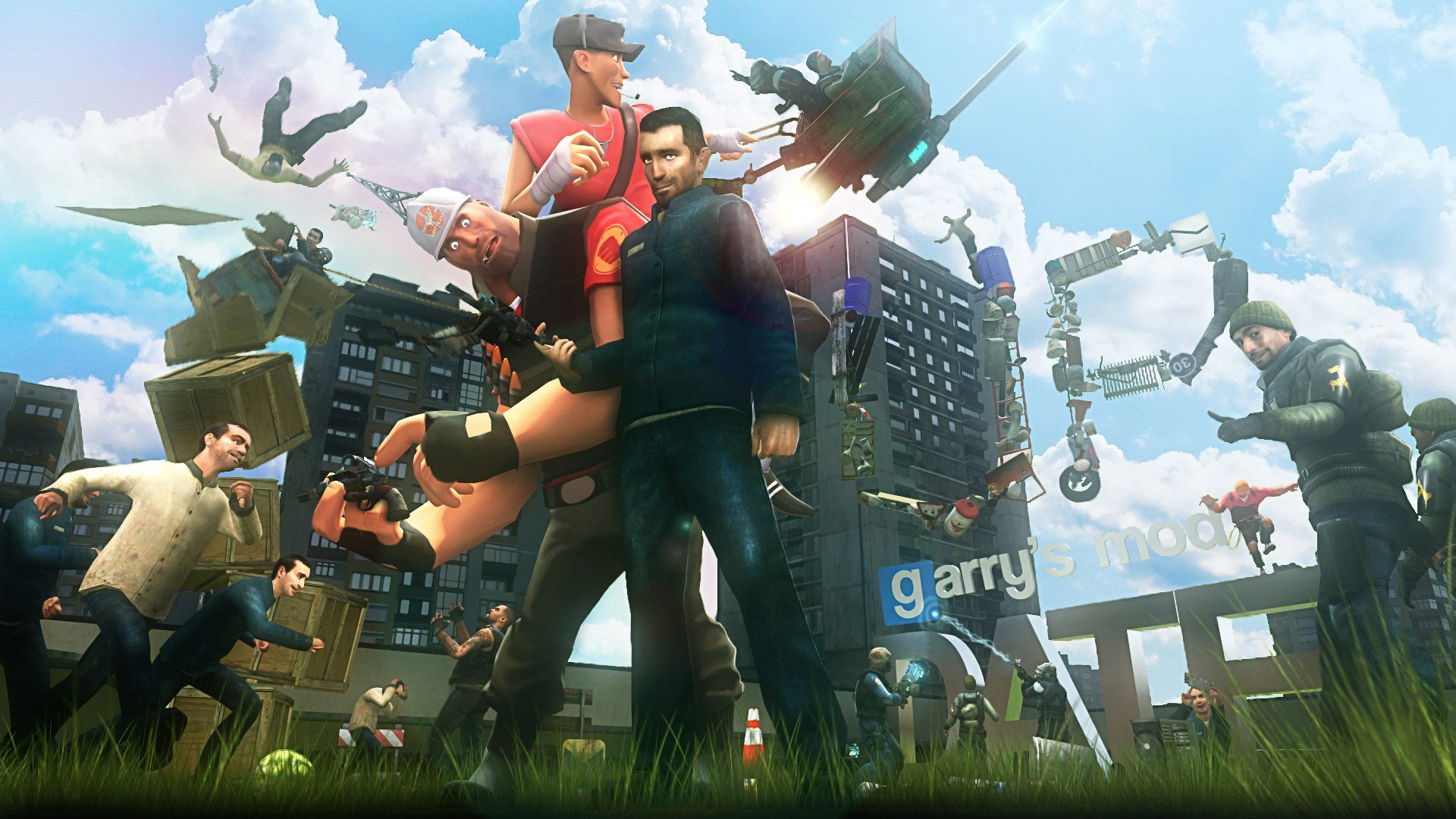
Game modding used to be this niche thing—a handful of hardcore fans tinkering away in forums, swapping custom maps and goofy character skins. Fast forward to now, and it’s everywhere. Mods have exploded from a niche curiosity into a real powerhouse that’s changing how games feel, how they’re sold, and even how studios implement them in the first place. Mods aren’t just more common—they’re bold, inventive, and part of the culture.
the start of mods
At its core, modding is about people messing around and making stuff their own. Back in the day, it meant simple tweaks: a cool new weapon here, a silly voice pack there. Now? Some of these mods look like full-blown expansions. Players overhaul graphics, invent wild new mechanics, or totally flip a game’s design. What’s made this possible? Easier tools, thriving online communities, and developers who finally get it—if you give players the keys, they’ll build something amazing.
how the internet helped popularize modding
Let’s be honest: the internet supercharged mods. YouTube, Twitch, TikTok—these platforms turn the weirdest, most creative mods into overnight sensations. One streamer shows off a bonkers mod and suddenly everyone wants to play it. That kind of exposure turns mods into cultural moments, not just inside gaming but across the internet. It’s a feedback loop—someone tries a mod, shares it, inspires another person to make something even crazier.
developers know about modding
Game studios can’t ignore this stuff anymore. Now, a lot of big releases ship with built-in modding tools or easy ways to share content, like Steam Workshop. Some devs even hire standout modders or add the best fan-made features into official updates. The line between gamer and creator gets blurrier every year—players shape the game just as much as the original team.
reviving the classics
Mods breathe new life into games long after the games release. A strong modding community keeps a title fresh for years—sometimes longer. Think about Skyrim, Minecraft, Grand Theft Auto V. Modders keep finding new ways to surprise everyone, and that’s kept these games at the top of the charts. For players, it means the adventure never really ends. There’s always something new to discover or try out.
mods in the future
With better tech—smarter tools, stronger engines, cross-platform support—modding’s just getting started. The gap between “official” and “fan-made” keeps shrinking, and players expect to be able to tweak their games from day one. Soon, the idea of a game without mods will just feel old-fashioned.
Modding isn’t just a fun extra anymore. It leads the way in gaming culture, shaping what gets built, how games grow, and how players connect. This shift shows where entertainment is heading: people don’t just want to play—they want to create, remix, and leave their mark.