Video games are changing fast, and subscriptions are at the heart of it. On paper, these services promise convenience—just pay a monthly fee and dive into a huge library. But for a lot of players, it’s starting to feel like you’re trapped in a cycle of endless payments. This isn’t just a small trend, either. Subscription-based gaming is exploding. In 2024, global revenue hit $11.53 billion, and by 2030, that number is expected to more than double. The entire gaming subscription market was worth $28 billion this year, with forecasts shooting up to $68 billion by 2031. So, yeah, this isn’t going away.
why subscriptions are getting popular
Big publishers and platform owners are all in on subscriptions, and there’s a good reason for it.
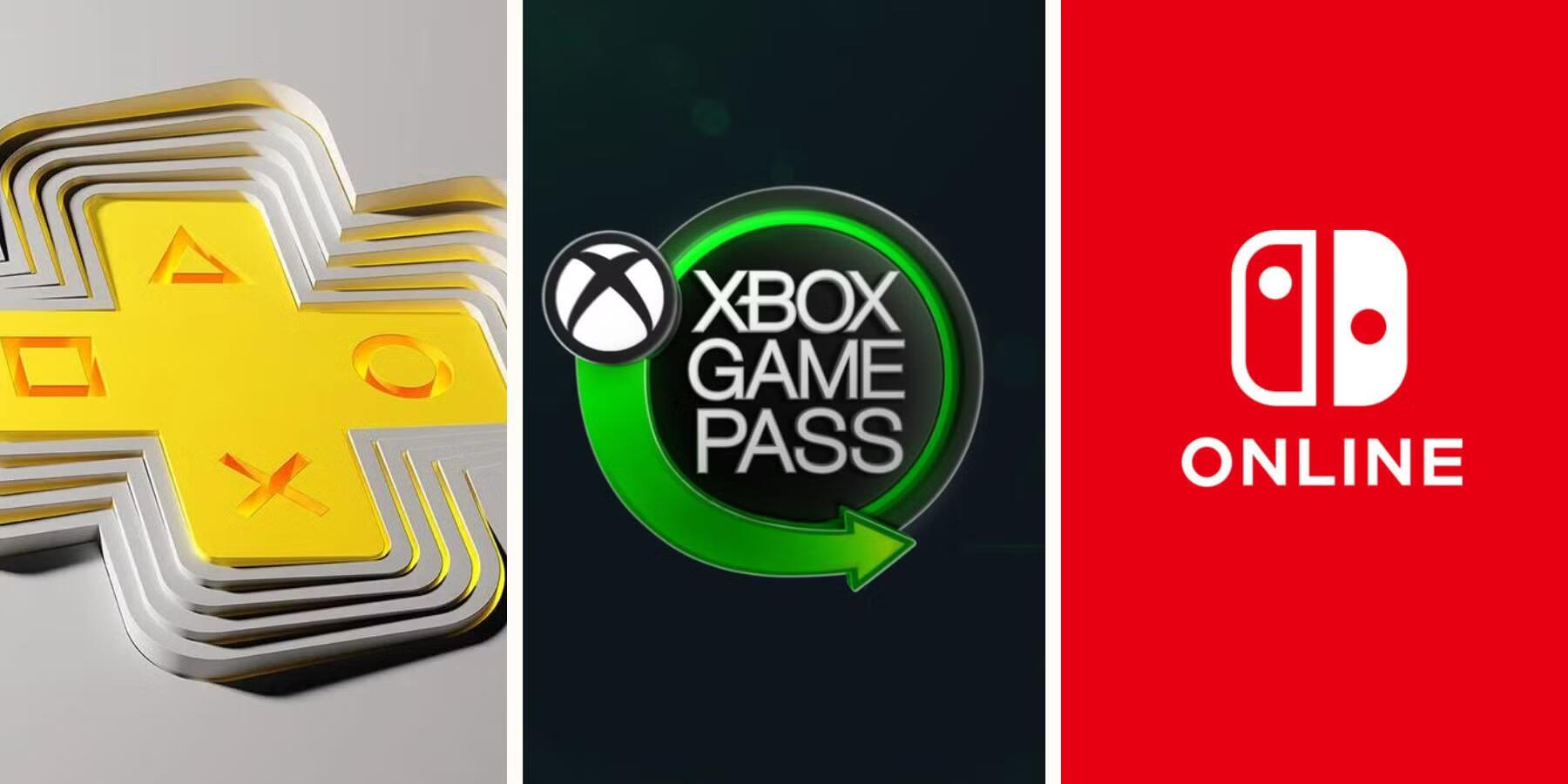
First, people are spending more on subscriptions than ever. In the U.S., monthly spending just hit a new record. Instead of buying individual games, more players are signing up for services like Game Pass. Higher prices everywhere make bundled access look like a better deal.
Subscription platforms are raking it in, too. In January 2026, U.S. video game spending only rose 3% year over year, but subscriptions jumped 23%—that’s $596 million in just one month. Recurring payments now drive the industry’s bottom line.
Publishers love subscriptions because they get steady, predictable revenue. They don’t have to rely on one big hit to keep the lights on, and players are more likely to stay loyal to their ecosystem. With game development getting pricier, that stability means a lot.
why this is bad and good for gamers
The subscription boom is a mixed bag for gamers.
On the plus side, you get a massive library. Hundreds of games, one monthly fee. You can play across your console, PC, or phone without buying separate copies. New games and updates show up all the time, so there’s always something fresh.
But there’s a flip side. Instead of just buying the games you want, you now need multiple subscriptions to access different exclusives. Games can vanish from your library without warning, even if you’re halfway through. And while each service seems affordable, having a few quickly adds up—sometimes it’s pricier than just buying the games outright. Plus, developers start designing games to keep you hooked and subscribed, not necessarily to deliver a complete experience.
why did it happen
This surge in subscriptions isn’t just about gaming—it’s happening everywhere. the industry needed a new way to keep growing, and recurring revenue became the answer. The whole business is shifting, with platforms merging and new models popping up all the time.
It’s a lot like what happened with movies, TV, and music. Subscriptions took over there, too, and now we’re seeing the same thing with games. The worry is that what makes games special—owning them, replaying them years later, coming back whenever you want—could slip away as more titles hide behind rotating paywalls.