How Indie Games Are Beating AAA Giants: Why Creativity Matters More Than Money
how it used to be
For years, big-budget AAA studios called the shots in gaming. They had the money, the flashy trailers, and marketing that made their games impossible to miss. But lately? Something’s changed. Indie games—once treated as quirky side projects—are now stealing the spotlight. They’re setting trends, shaping gaming culture, and sometimes even outselling the AAA games.
This isn’t some random thing. The industry’s changing, and so are the people who play.
the decline of AAA games
AAA studios have a lot on every release. When a single game costs hundreds of millions, no one wants to take big risks. That’s why we see endless sequels, remakes, and “safe” choices that feel like more of the same.
the rise of indie games
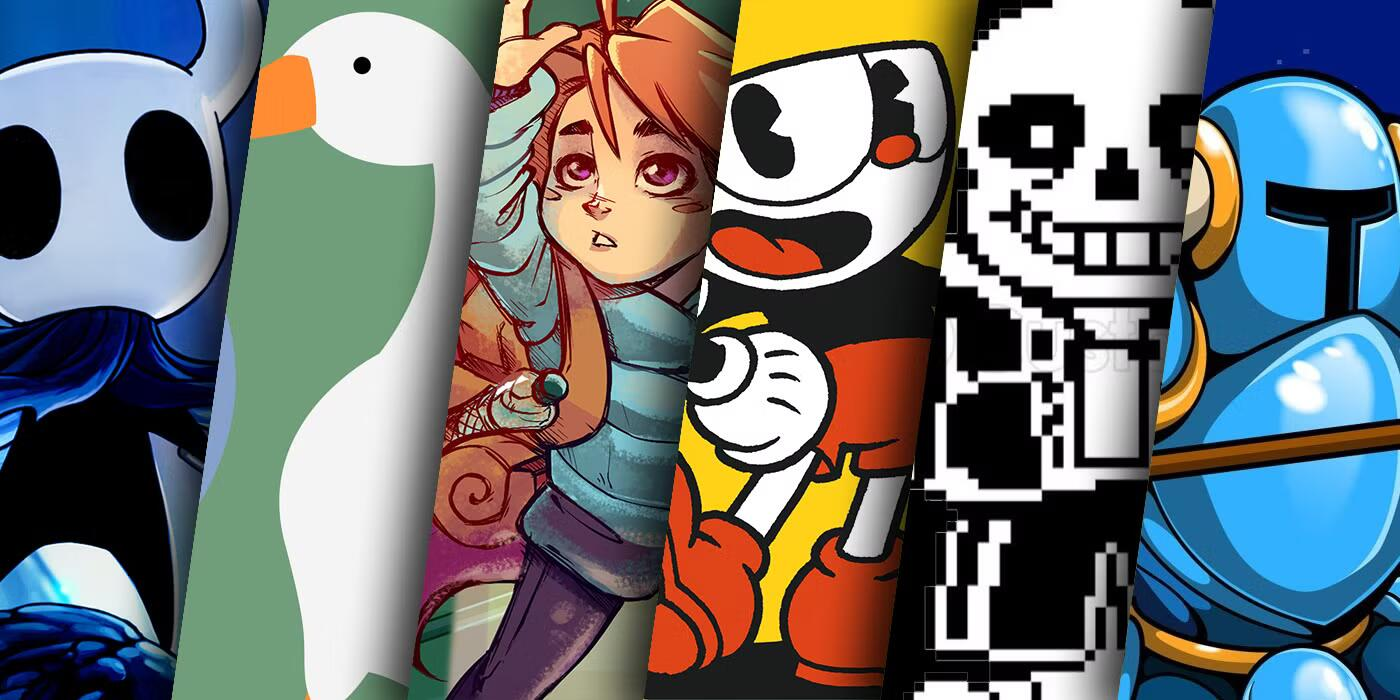
Indie devs don’t have that baggage. They experiment, try weird ideas, and take creative risks. They’re not trying to please shareholders—they just want to make something cool.
Look at what’s happened:
Hades took the roguelike and gave it real story depth.
Stardew Valley didn’t just copy the farming sim—it made it better.
Undertale flipped RPG storytelling and combat on its head.
Gamers want fresh ideas, and indie studios keep delivering.
the competition
AAA games launch at $70 or more, then pile on DLCs, battle passes, and microtransactions. Meanwhile, indie games usually cost a fraction of that and still offer hours—sometimes hundreds—of playtime.
That matters, especially now that people are watching their budgets more closely.
Indie games often:
Launch at $10–$40
Give free updates for years
Skip the greedy monetization
When players feel respected, they stick around. They tell their friends. That loyalty’s worth more than a flashy ad campaign.
community is stronger than advertising
Indie studios build their games out in the open. They share builds early, listen to feedback, and let players shape the final product. People feel like they’re part of something.
AAA studios? They tend to stay quiet until launch. If they mess up, angry backlash follows.
Indie game communities are tight-knit, supportive, and patient. That kind of energy can’t be bought.
actually fun development
The AAA world is infamous for “crunch”—months (sometimes years) of brutal overtime. It burns people out and kills creativity.
Indie studios face stress too, but smaller teams mean clearer communication and more control over their schedules. They actually own their work, and it shows. and they actually enjoy developing the game.
You feel the difference. Indie games have a handmade vibe. They’re personal.
the internet made indie games more popular
Platforms like Steam, itch.io, Game Pass, and the Nintendo eShop make it possible for tiny teams to reach millions. Social media and streaming only boost their reach—one viral moment can make a game a hit overnight.
AAA studios still spend big on ads, but online, authenticity spreads faster than any commercial.
creativity beats money
AAA games keep chasing bigger worlds, fancier graphics, and long cutscenes. But players are starting to care more about how a game feels—about unique mechanics, personal stories, and authentic gameplay.
Indie games are great at:
Telling stories that hit home
Exploring weird or niche ideas
Focusing on what’s fun, not just what looks good
With so many games out there, people are choosing ones that actually matter to them, not just the ones that look impressive.
which one wins?
AAA games aren’t going anywhere. They’ll still wow us with big set pieces and technical magic. But indie games are proving there’s room for more—more voices, more ideas, more heart.
In the end, gamers win. We get to pick between blockbuster spectacle and indie soul.